How Vitamin D Talks to the Immune System
By ELESSAR
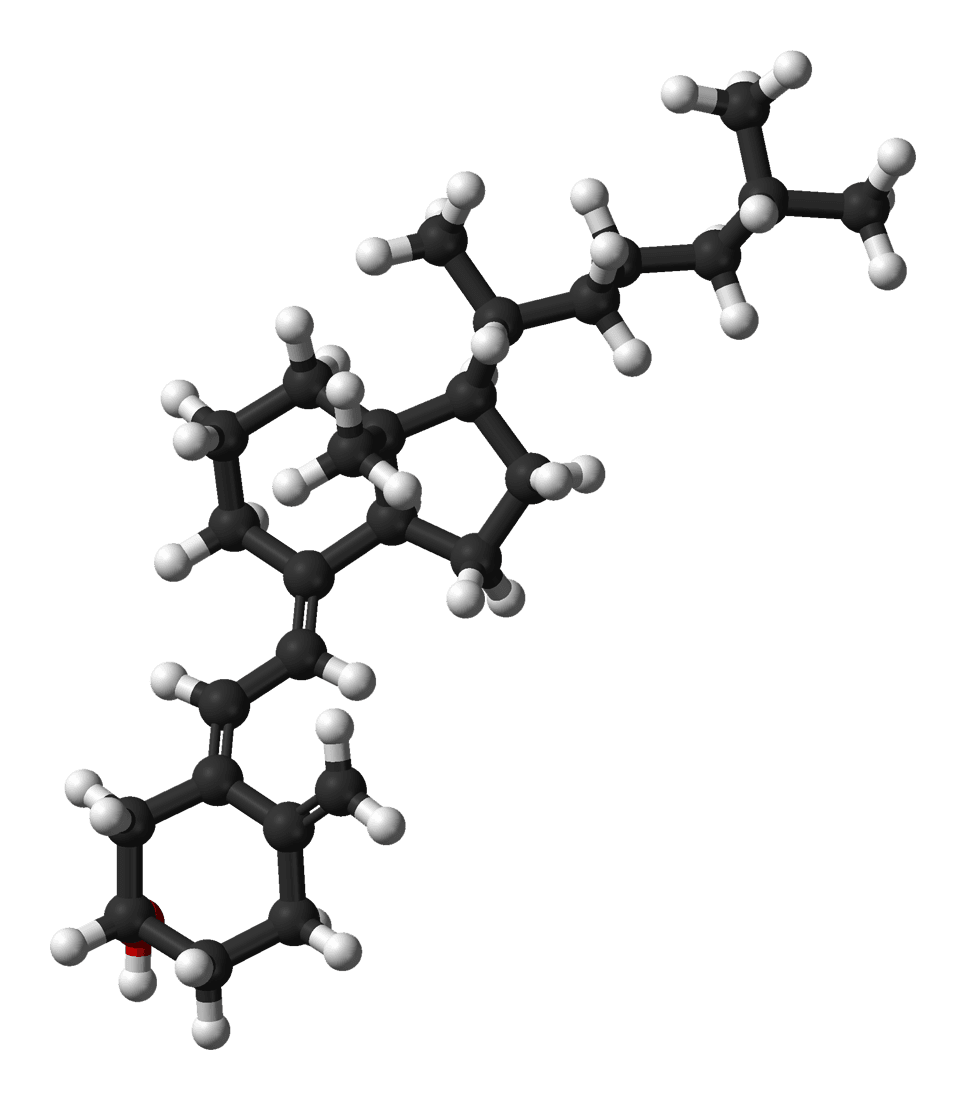
How Vitamin D Talks to the Immune System
Vitamin D is usually filed under bone health, but it also reaches deep into the immune system. A new review pulls together what is known about that second job, and how far the evidence actually goes.
Most people meet vitamin D as the sunshine vitamin, the one linked to strong bones and blood calcium. This review, published in the Journal of Clinical Medicine, sets out to describe a less familiar role: how vitamin D behaves as a signal to the immune system. The authors gathered existing laboratory findings, cell experiments and clinical observations to build a picture of vitamin D as what they call an immuno-endocrine modulator, meaning a hormone-like molecule that can nudge how immune cells behave. This is a narrative review. The authors did not run a new experiment or trial. They read across a wide body of published work and tried to organise it into a coherent account, with a particular focus on autoimmune disorders, where the immune system attacks the body's own tissue, and on host defence, the body's response to bacteria, viruses and fungi.
The active form of vitamin D binds to a receptor found on many immune cells, including the fast-acting cells of the innate immune system and the more targeted cells of the adaptive system. Through that receptor, vitamin D can switch certain genes on or off. The review describes two broad effects that run in different directions. On one side, vitamin D seems to support the body's first line of defence, for example by helping immune cells produce antimicrobial peptides, small molecules that can damage invading microbes directly. On the other side, it appears to restrain parts of the immune response that, when overactive, drive chronic inflammation and autoimmune damage. The authors connect low vitamin D status with a higher observed frequency of several autoimmune conditions in the wider literature. That is an association drawn from observational data, not proof that low vitamin D causes these diseases or that raising it would prevent them. The mechanistic story is clearest in cells and animals; in people, the picture is more tangled.
The idea that vitamin D matters beyond bone is not new, and this review sits within a long and unsettled debate. Blood levels of vitamin D fall for many reasons at once: less sun exposure, darker skin, older age, obesity, kidney or liver problems, and chronic illness itself. That last point is the persistent trap. Sick people often have low vitamin D partly because they are sick, which makes it hard to tell whether the low level is a cause, a consequence, or simply a marker of poor health. Large randomised trials that gave vitamin D supplements to broad populations have generally failed to show clear reductions in infections or autoimmune disease, with a few narrower signals in specific groups. A review like this one is valuable for mapping the biology, but it cannot settle whether topping up vitamin D changes outcomes for a given person.
The practical message is modest. Maintaining an adequate vitamin D status is a reasonable part of general health, and people who are genuinely deficient, or at high risk of deficiency, may benefit from correcting that under medical guidance. What this review does not support is the leap from interesting biology to a specific dose taken to treat or prevent immune disease. Vitamin D is a fat-soluble vitamin, which means it accumulates in the body, and very high intakes can cause harm through excess calcium. Anyone wondering whether their level is low, or whether supplementing makes sense for their situation, is better served by a blood test and a conversation with a clinician than by self-prescribing based on a mechanism.
This is a narrative review, which means the authors selected and summarised existing studies without the formal, reproducible search and pooling of a systematic review or meta-analysis. That leaves room for selection bias. Much of the strongest mechanistic evidence comes from cell and animal experiments, where effects do not always translate to humans. The clinical links to autoimmune disease rest largely on observational data, which cannot establish cause and effect and are vulnerable to reverse causation and confounding. The review describes plausible biology; it does not demonstrate that vitamin D supplementation treats or prevents disease in people.
Vitamin D is more than a bone nutrient. It speaks to the immune system through a receptor present on many defence cells, and it can both sharpen early responses to microbes and dampen excessive inflammation. That dual role is genuinely interesting and worth watching. It is also, for now, mostly a story told in cells and correlations. The gap between an elegant mechanism and a proven human benefit remains wide, and honest reading of this review keeps both facts in view at once.
Sources
- Vitamin D as an Immuno-Endocrine Modulator: Discovering Its Role in Autoimmune Disorders and Host Defense Mechanisms.et al. · 2026 · Journal of Clinical MedicineDOI 10.3390/jcm15124742PMID 42355910