Tai Chi and the College Mind: What the Evidence Shows
By ELESSAR

Tai Chi and the College Mind: What the Evidence Shows
Slow, deliberate movement has been part of Chinese practice for centuries. A new pooled analysis asks whether it does measurable good for the anxious, overstretched minds of college students.
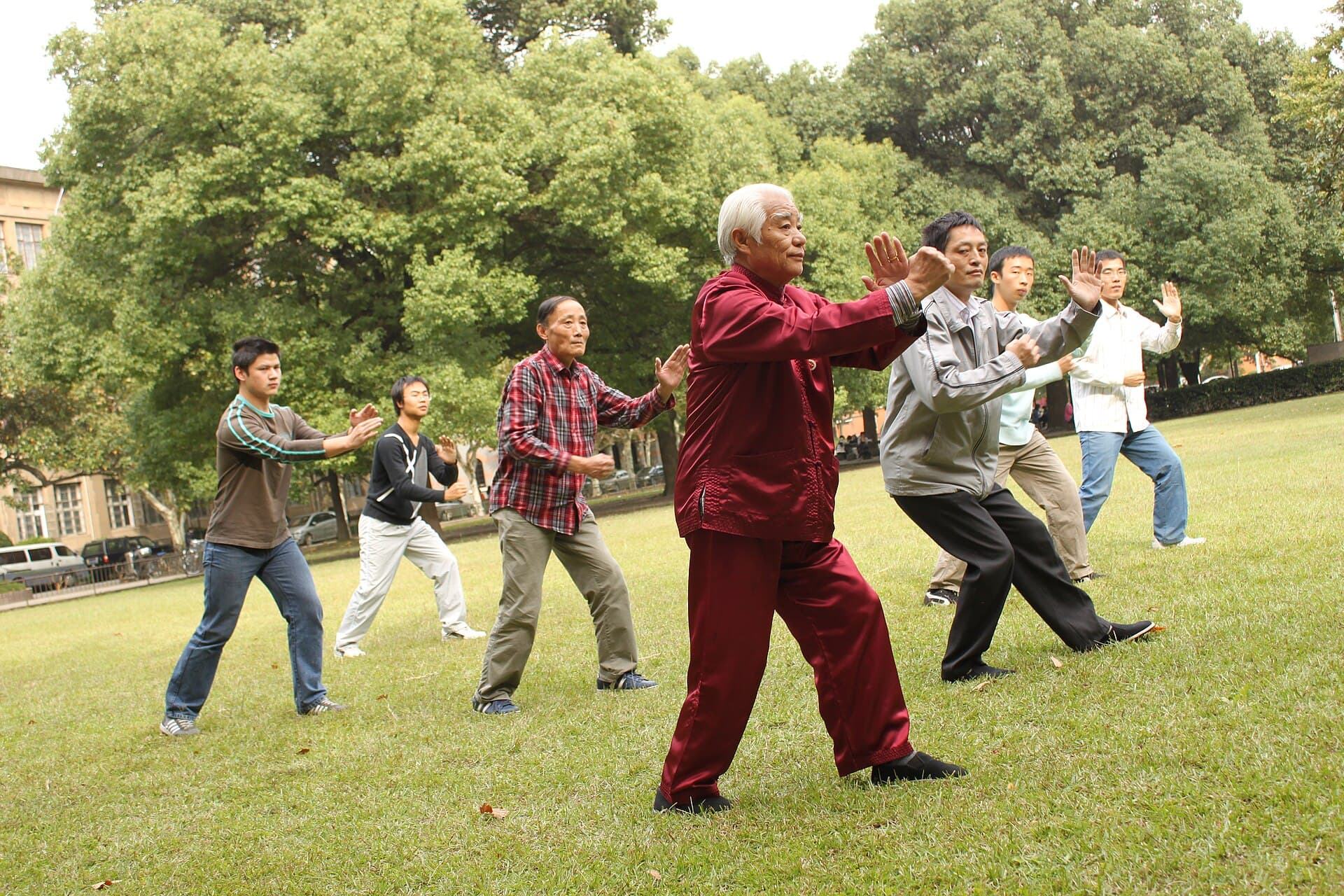
University years are a common time for mental strain. Rates of depression and anxiety climb during this period, and many students never seek formal help. Researchers have long wondered whether structured physical practices might offer a low-cost, low-risk way to ease that burden. Tai Chi, a slow martial art built on flowing movement, controlled breathing and focused attention, is one such candidate. A team of researchers set out to gather the randomized trials that had tested it in college students and combine them into a single, larger picture. Their work is a systematic review and meta-analysis, meaning they searched the literature systematically, selected trials that met defined criteria, and pooled the numerical results statistically. Randomized trials, in which participants are assigned by chance to Tai Chi or to a comparison condition, are the strongest design available for asking whether an intervention itself makes a difference rather than the sort of people who choose it. Pooling them is meant to yield a more stable estimate than any single small study could give.
When the trial results were combined, students who practised Tai Chi generally reported lower levels of depression and anxiety than those in the comparison groups, which typically continued their usual routines or received no structured movement programme. The direction of effect was consistent enough across studies to suggest a genuine signal rather than noise. Improvements also appeared on some broader measures of psychological wellbeing. What matters for a reader is the size of these differences. They were modest. Tai Chi did not empty out symptoms or replace treatment for a diagnosed condition; it nudged average scores in a favourable direction. For a mild burden of stress and low mood, a nudge can still be meaningful. For serious illness, it is a different matter, and the trials here were not designed to answer that.
The result sits comfortably beside a broader body of research on movement and mood. Aerobic exercise, resistance training, yoga and mindful practices have all shown small to moderate benefits for depressive and anxious symptoms in various populations. Tai Chi blends physical activity with the attentional focus of meditation, so a benefit would not be surprising. What this analysis adds is a focus on students specifically, a group whose stresses, schedules and social pressures differ from those of older or clinical populations. It does not overturn anything or reveal a hidden mechanism. It strengthens, a little, the case that gentle structured movement belongs in the conversation about student wellbeing.
The pooled figure is only as good as the trials feeding into it, and here caution is warranted. The individual studies tended to be small, several were conducted in similar settings, and blinding is nearly impossible with a physical practice: participants know whether they are doing Tai Chi. That awareness can inflate self-reported improvements, since people who expect to feel better often report feeling better. Publication bias, the tendency for encouraging results to reach print more readily than null ones, may also tilt a pooled estimate upward. None of this means the effect is illusory. It means the true benefit could be smaller than the headline number, and that a single, large, well-designed trial would tell us more than a dozen small ones stitched together.
For a student under ordinary academic pressure, taking up a gentle, structured movement practice carries little downside and may support mood and calm alongside the usual foundations of sleep, activity and social contact. Tai Chi is accessible, needs no equipment and can be learned in groups, which adds a social element that itself supports wellbeing. Anyone facing persistent low mood, hopelessness or anxiety that interferes with daily life should treat those as signals to seek professional support rather than a movement class. The evidence points to a modest complement, not a substitute for care.
Sources
- Effects of Tai Chi on Mental Health in college students: a systematic review and meta-analysis of randomized controlled trials.Systematic review authors et al. · 2026 · Frontiers in Public HealthDOI 10.3389/fpubh.2026.1830203PMID 42491127