Probiotic-Antioxidant Drink Falls Short on Fatigue in Summer Trial
By ELESSAR
Probiotic-Antioxidant Drink Falls Short on Fatigue in Summer Trial
Hot summer nights wreck sleep, and the fatigue that follows can drag through the day. A group of researchers in Japan asked whether a daily drink combining a probiotic and a plant-derived antioxidant could soften that toll. The headline answer was no. The details are more interesting.
Heat does something quietly disruptive to the body. It fragments sleep, keeps the heart working when it should be settling, and leaves people feeling drained even after a full night in bed. Researchers suspect that part of this comes from heat-driven oxidative stress, a kind of internal chemical wear, and from disturbances in the gut. Working from that idea, a team funded by a Japanese beverage company tested whether feeding both ends of the problem at once might help.
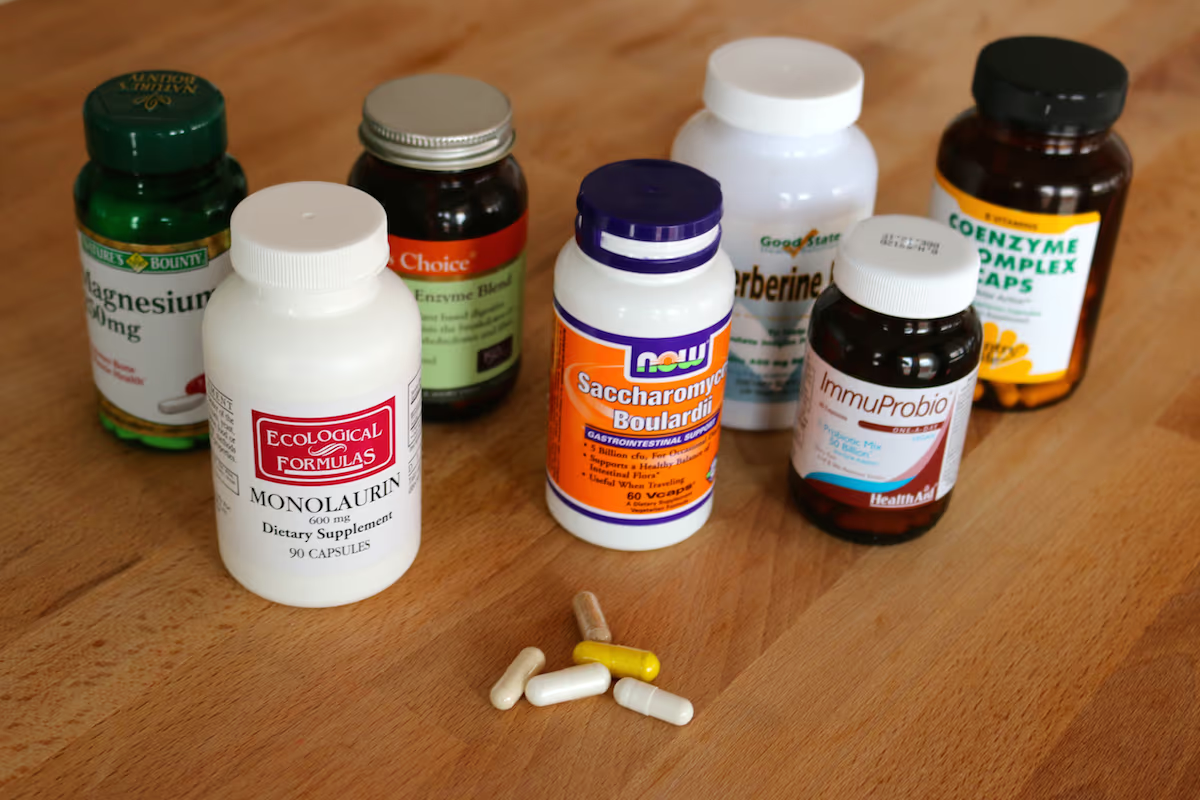
The drink they tested combined two ingredients. One was a specific strain of live bacteria, Lacticaseibacillus paracasei subspecies paracasei NY1301, the sort of microbe marketed as a probiotic. The other was a compound with an unwieldy name, usually shortened to DDMP, an antioxidant found in some cooked and fermented plant foods. The reasoning was straightforward: the antioxidant would counter heat-related oxidative stress, and the probiotic would support the gut, which heat can also unsettle.
To find out, the researchers ran a randomized, double-blind, placebo-controlled trial, the design that offers the strongest evidence a single study can provide. One hundred and seventy-one healthy adults were split into two groups by chance. Neither the participants nor the researchers knew who received what. One group drank the beverage with NY1301 and DDMP once a day for eight weeks over the summer; the other drank an identical-looking placebo. The main thing the researchers wanted to measure was subjective fatigue, tracked through a daily online log that people filled in themselves.
On that central question, the drink did not work. There was no meaningful difference in day-to-day fatigue between the two groups. When a trial misses its primary outcome, that is the result, and it deserves to be stated plainly rather than buried under the more flattering numbers that follow. The everyday tiredness the study set out to reduce was no lower in the people drinking the active beverage.
What makes the paper worth reading is the pattern in the secondary measurements, the outcomes the researchers looked at alongside the main one. Several of these leaned in the drink's favour, though the effects were small. By the eighth week, people in the active group fell asleep faster, taking about two minutes less to drift off. Under a standardized test in the lab, their fatigue rating before a task was somewhat lower. These are modest shifts, and because they come from secondary outcomes in a trial whose main outcome failed, they should be read as leads rather than proof.
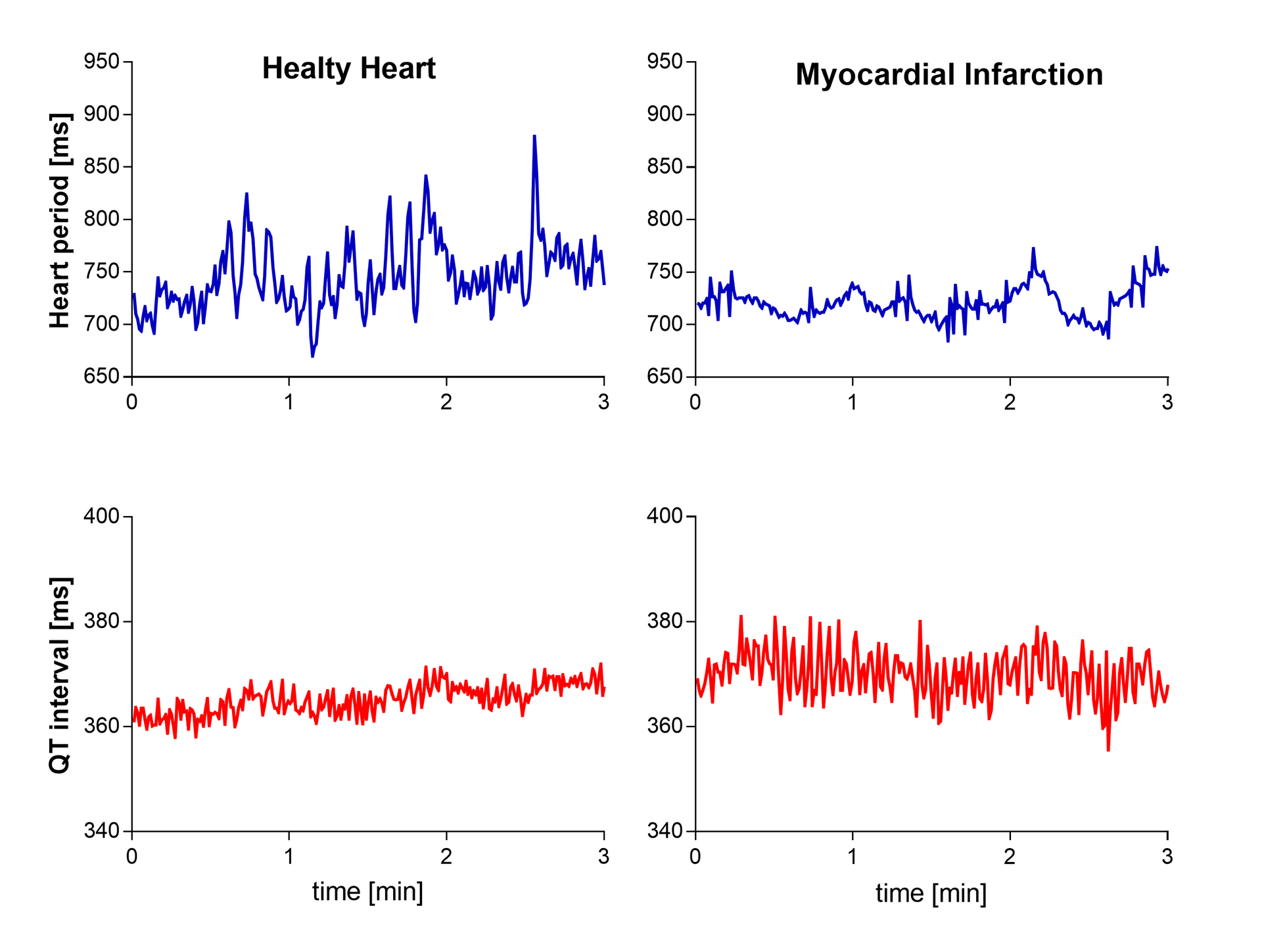
The more intriguing signals came from the body's autonomic nervous system, the automatic machinery that controls heart rate, breathing and the balance between stress and rest. The researchers measured heart rate variability, tiny fluctuations in the timing between heartbeats that reflect how the nervous system is coping. Participants did mental arithmetic to induce a bit of stress, and the team watched how their bodies ramped up and then recovered. In the active group, the stress response during the task looked more pronounced, and crucially the recovery afterwards was sharper: the markers of a calm, rested state returned more strongly once the task ended. In plainer terms, their nervous systems appeared to bounce back from a small stressor a little more cleanly.
One further finding came from an exploratory analysis, meaning the researchers went looking after the fact rather than testing a preplanned question. On hotter nights, breathing rate during sleep tends to climb. That temperature-driven rise was blunted in the people drinking the active beverage. It is a suggestive observation about how the body handles heat at night, but exploratory results are the weakest kind, prone to chance, and this one needs confirming before it means much.
The study fits into a wider and still uncertain field. Probiotics have been studied for all manner of complaints, often with results that shrink the more rigorously they are tested. What is genuinely new here is the combination approach and the focus on summer heat as the stressor, rather than a disease. Pairing a gut-targeting microbe with an antioxidant to address heat-related fatigue is an unusual angle, and the trial was well designed for what it set out to do.
Several cautions travel with these results. The trial was funded by Nissin York, the company behind the product, and some authors are affiliated with the sponsor, a conflict of interest the paper discloses. Company-funded studies are not automatically wrong, but the incentive to emphasize favourable secondary findings after a failed primary is exactly why the primary outcome should anchor interpretation. The participants were healthy adults, so nothing here speaks to people with sleep disorders or medical conditions. The positive effects, where they appeared, were small: two minutes of faster sleep onset is real but not life-changing. And the whole thing ran for a single summer in one population.
What this amounts to is a hint, not a verdict. A daily probiotic-and-antioxidant drink did not reduce the everyday summer tiredness it was built to fight. It may have nudged a handful of physiological measures in a helpful direction, particularly how the nervous system recovers after stress and how the body breathes through hot nights. Whether any of that translates into feeling better on a sweltering August evening is a question the study cannot answer. The researchers say as much, calling for independent trials to test whether these smaller signals hold up when someone without a stake in the outcome goes looking for them.
Sources
- Combined NY1301 and DDMP on Sleep and Autonomic Function in Summer: A Randomized Clinical Trial.Tomizawa M, Sugimoto T, Fukao M · 2026 · Journal of clinical medicineDOI 10.3390/jcm15114175PMID 42279036