Why Police Work May Strain the Heart, and How Exercise Might Help
By ELESSAR
Why Police Work May Strain the Heart, and How Exercise Might Help
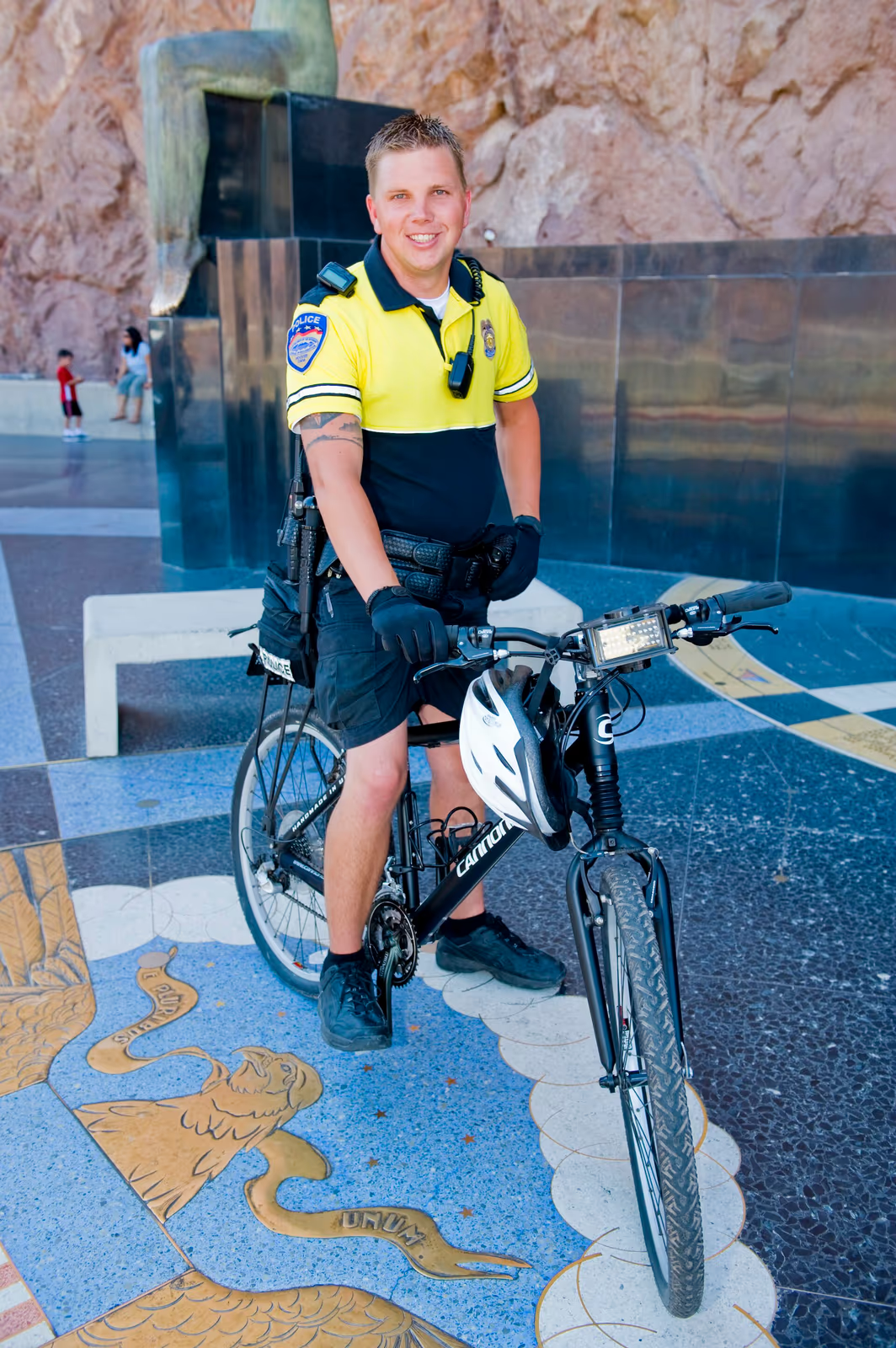
A police officer can spend a shift in a state of quiet alarm, then sprint, wrestle or give chase without warning. A new review argues that this rhythm of long stress and sudden exertion may be quietly dangerous to the heart.
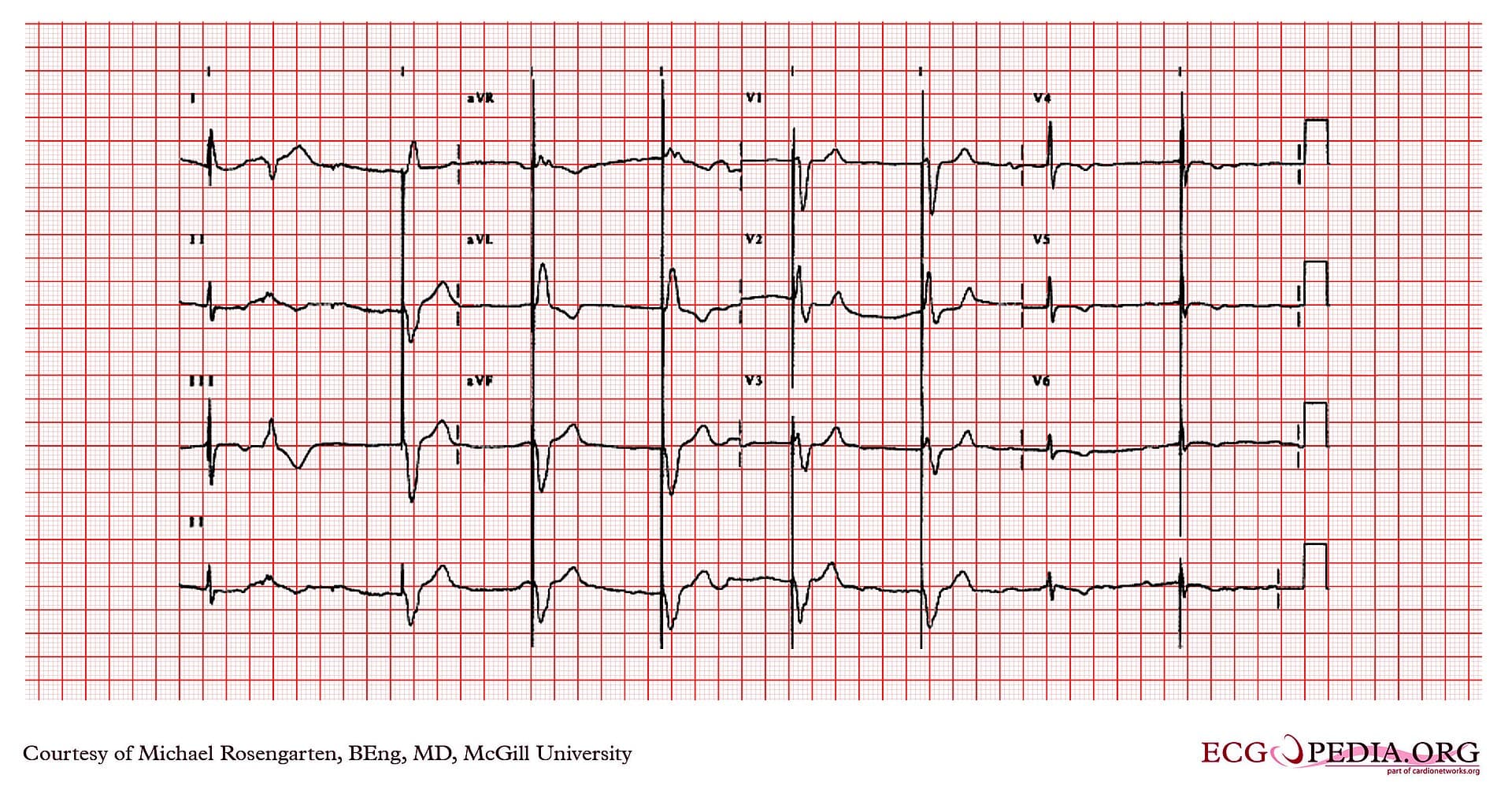
Sudden cardiac death is one of the most feared events in medicine because it arrives without warning. The heart's electrical system falters, its pumping collapses, and unless help comes within minutes the outcome is usually fatal. It is among the leading causes of death worldwide, and certain jobs appear to carry more of the risk than others. In a review published in Frontiers in Public Health in 2026, Xu and Zhang gather the existing evidence on one such group: police officers.
What makes policing different, the authors argue, is not a single hazard but a particular combination of them. Officers spend long stretches in a state of psychological hypervigilance, alert to threat even when nothing is happening. Their sleep is broken by shift work, which disrupts the body's internal clock. And into that steady background of tension come sudden bursts of maximum physical effort, a foot chase or a struggle, often after hours of sitting. On top of this, the review notes a tendency among officers to delay seeking medical help, so warning signs go unexamined.
To make sense of how these pressures might converge on the heart, Xu and Zhang describe what they call a dual-hit model. The first hit is slow. Chronic stress, they propose, gradually reshapes the cardiovascular system in ways that leave it fragile. The balance of the autonomic nervous system, which governs heart rate and blood pressure without conscious control, tilts toward a state of near-constant readiness. The electrical behavior of heart muscle becomes less stable. The lining of blood vessels works less well, and low-grade inflammation simmers throughout the body. None of this is felt directly, but each change nudges the heart closer to an edge.
The second hit is the trigger. On a heart already made vulnerable, a moment of extreme physical or emotional demand can be the event that tips it into a fatal rhythm. In the authors' framing, neither the long-term wear nor the acute stressor is sufficient on its own. It is the two together, a susceptible heart meeting a sudden challenge, that raises the danger. This is a conceptual model, drawn from combining strands of prior research, not a single experiment that measured the sequence in officers. That distinction matters, and the review is honest about it.
Against this picture, the authors set structured physical exercise, meaning planned and regular training rather than the unpredictable exertion of the job itself. They review evidence that consistent exercise can push the autonomic nervous system back toward balance, dampen chronic inflammation, steady the electrical activity of the heart, and help regulate metabolism and the disrupted body clock. In effect, they suggest that exercise may work on the same mechanisms that chronic stress unsettles, acting as a counterweight to the slow first hit. This is a plausible and biologically grounded proposal. It is not, in this population, a proven prevention of sudden cardiac death, and the review does not claim otherwise.
From the model, Xu and Zhang build a broader occupational health strategy with several layers. It begins with sorting officers by their cardiovascular risk, so attention goes where it is most needed. It includes exercise prescribed on the basis of evidence rather than guesswork, monitoring of recovery and autonomic function, training in psychological resilience, and changes to how police organizations distribute workload. The thread running through it is that responsibility does not rest only on the individual officer. How shifts are scheduled and how demand is spread across a force are treated as part of the cardiovascular equation.
What is genuinely new here is less any single finding than the way the pieces are assembled. Research on shift work, on stress physiology, on exercise and on cardiac risk has largely developed in separate compartments. Bringing them together around one high-risk occupation, and specifying where exercise might intervene, gives clinicians and police services a common map to work from. That is the review's main contribution, and it is a real one.
The limits are considerable, and the authors name them clearly. Much of the supporting evidence comes from general populations rather than from officers themselves. The dual-hit model is a hypothesis awaiting direct test. There are no long studies following healthy officers over years to see who develops disease, no agreed biological markers to flag rising risk, and, crucially, no clarity on how much exercise, of what kind, delivers benefit without the exertion itself becoming a trigger. That dose question is not a technicality; for a group whose danger partly lies in sudden effort, the shape of the exercise matters. The authors call for prospective studies, biomarker work, dose-response research, wearable monitoring and randomized controlled trials to fill these gaps.
For an officer or a police physician reading this, the sensible takeaway is modest. The review does not prescribe a workout or promise protection. It offers a way of thinking about a real occupational hazard and points to regular, appropriately designed physical activity as one component, among several, that deserves serious study and, where a clinician agrees it is safe, a place in an officer's routine. The stronger message may be organizational: that predictable schedules, recovery time and manageable workloads are matters of cardiac health, not merely comfort.
The value of a framework like this is that it turns a vague sense of danger into a set of testable questions. Whether structured exercise can lower sudden cardiac death in the people who chase, restrain and stand guard is now a question researchers know how to ask.
Sources
- Occupational stress, cardiovascular vulnerability and sudden cardiac death in police officers: mechanisms and the protective role of structured exercise.Xu J, Zhang J · 2026 · Frontiers in public healthDOI 10.3389/fpubh.2026.1838794PMID 42221605