Screening for a Blood Precursor: Longer Life, but at a Cost
By ELESSAR
Screening for a Blood Precursor: Longer Life, but at a Cost
Nearly one in twenty older adults carries a symptomless blood protein that occasionally turns into cancer. A study in Iceland asked whether hunting for it, and then watching it closely, helps people or simply frightens them.
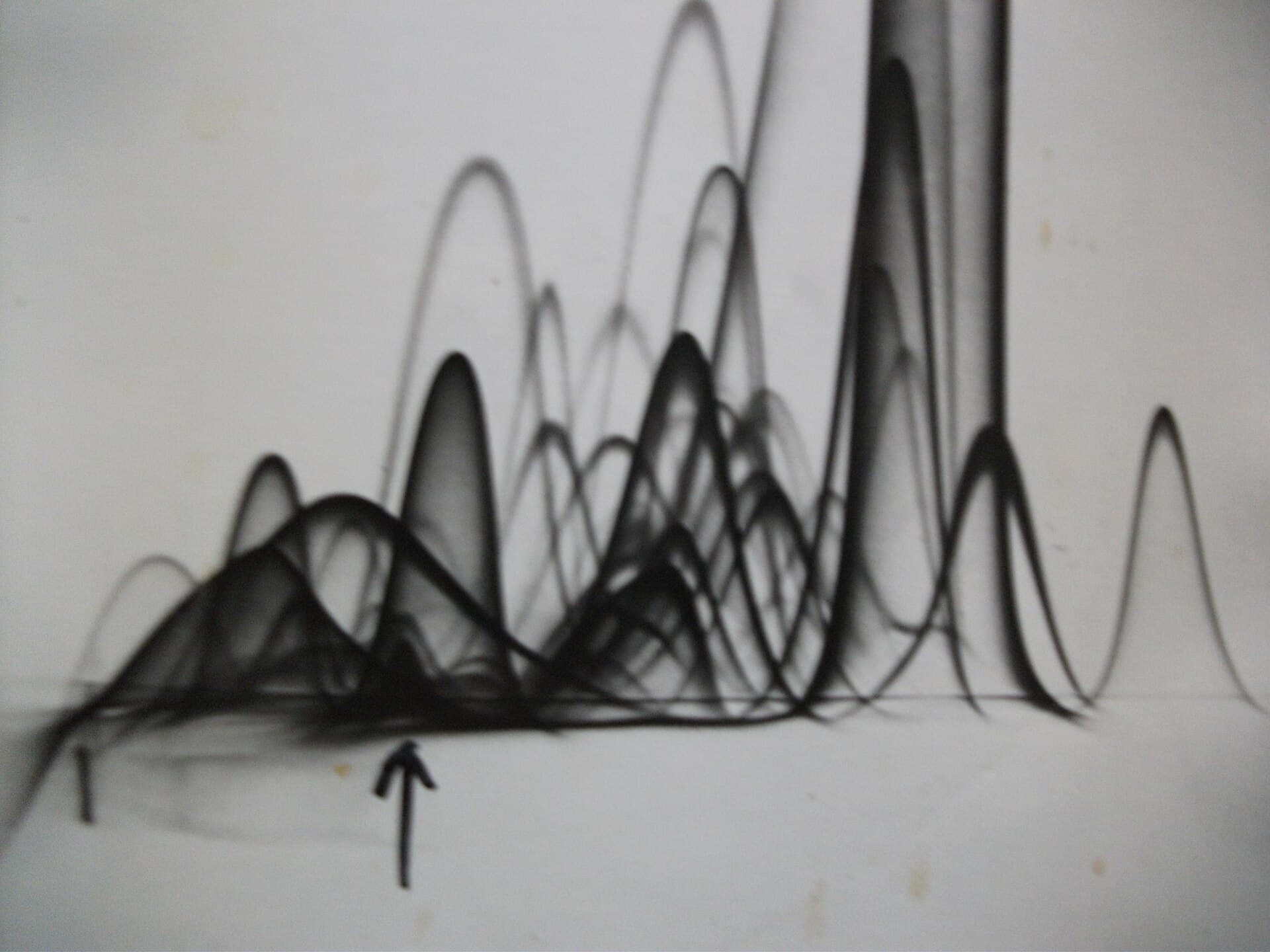
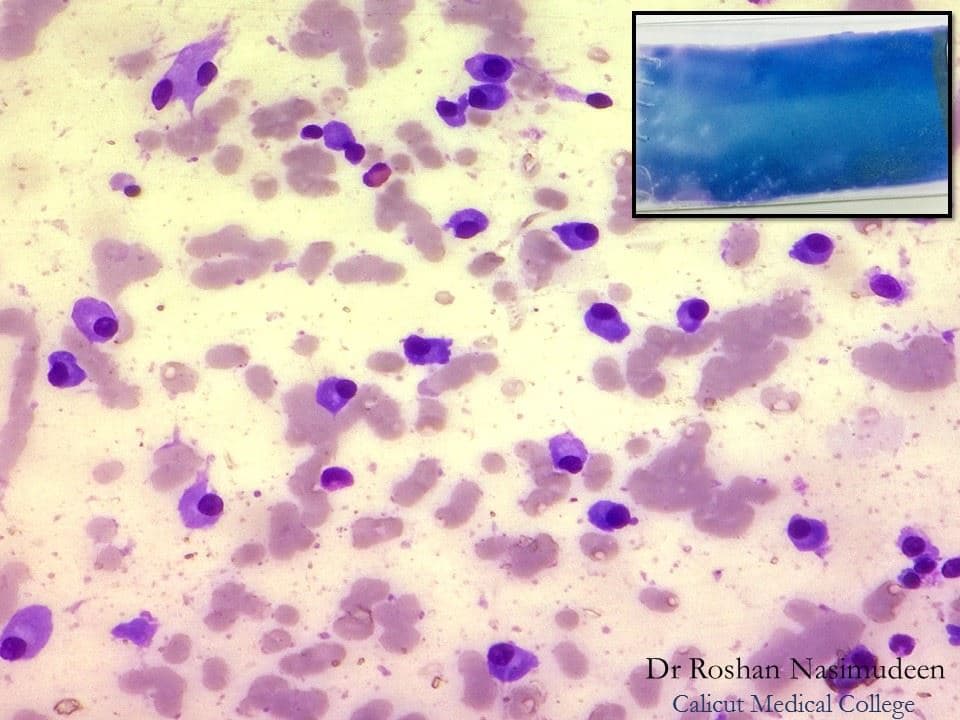
Deep in the blood of millions of healthy people sits a quiet anomaly. A single line of immune cells produces one identical antibody protein, more than it should, without causing any illness. Doctors call it monoclonal gammopathy of undetermined significance, or MGUS. It is remarkably common: it appears in roughly three to four percent of people over fifty and becomes more frequent with age. Most people who have it never know, and never need to. But in a small minority, perhaps one in a hundred per year, that lazy cell line eventually turns into multiple myeloma or a related blood cancer. That fact raises an old and difficult question in medicine. If a condition is usually harmless but occasionally lethal, is it worth going looking for it in people who feel perfectly well?
A team in Iceland set out to answer that question at national scale. They invited every resident aged forty and older to take part, and more than 75,000 people agreed to have their blood tested for the telltale protein. This was the iStopMM study, short for Iceland Screens, Treats or Prevents Multiple Myeloma. The scale matters, because a screening programme only makes sense if it can be run across a whole population, not just a research clinic. Everyone who screened positive was then entered into a second layer of the study, a randomized controlled trial, meaning participants were assigned by chance to one of several approaches to follow-up. Some continued with the kind of standard care they would have received anyway. Others were monitored more intensively, with regular specialist review designed to catch any progression toward cancer as early as possible. Random assignment is what makes the comparison trustworthy: it means differences between the groups are unlikely to come from who was sicker or more anxious to begin with.
The intensive monitoring arm did what it was meant to do. When blood cancers or their more advanced precursor stages developed, they were detected earlier, before they had caused serious harm, and survival was better in the closely watched group. That is a meaningful result, because myeloma diagnosed only after it damages bones, kidneys or the blood is a far harder disease to manage than one caught at the threshold of becoming dangerous. Just as important was what did not happen. Being told you carry MGUS, and then living for years under medical observation, might reasonably be expected to erode a person's peace of mind. On average, it did not. Across the screened population, quality of life and mental health held up, and the psychological cost of a positive result, where it existed, was small rather than crippling for most participants. The study weighed both sides of screening, the medical benefit and the human cost, instead of only counting the cancers.
For decades, MGUS has been treated as an incidental finding, something noticed by accident on a blood test ordered for another reason, then followed with a wait-and-see approach. There has been no recommendation anywhere to screen the general population for it, precisely because of the fear that finding it would create millions of worried patients without clearly helping them. iStopMM is the first study large enough and rigorous enough to put that fear to the test with real numbers. It suggests that population screening can identify the condition, that closer monitoring of those who have it can shift cancers to an earlier and more treatable stage, and that the psychological damage many assumed was inevitable is more limited than feared. That is a genuine addition to knowledge, not a confirmation of what was already practised.
Earlier detection and better survival in a monitored group are encouraging, but they are not the same as proving that screening a whole country is worthwhile. Catching a cancer earlier can make survival statistics look better simply because the clock starts sooner, an effect researchers watch closely and cannot fully rule out from a single programme. The study was conducted in Iceland, a country with a small, genetically homogeneous population and a unified health system, which makes findings clean but raises questions about whether they transfer to more diverse and fragmented settings. And any screening programme carries the risk of overdiagnosis: finding and monitoring conditions that would never have caused harm, turning healthy people into patients. Whether the survival benefit justifies that trade-off across an entire health system, and at what cost, is not something one study can decide.
For now, this is a landmark piece of evidence rather than a change to practice. It does not mean healthy adults should ask for MGUS testing, and it does not establish that national screening should begin. What it offers is a rare, careful look at the full ledger of a screening decision, benefits and burdens together, in tens of thousands of ordinary people. Anyone already living with a known MGUS diagnosis may find it reassuring that structured monitoring appears to help without, on average, damaging wellbeing, and questions about how closely to be followed are best worked through with a haematologist. The broader value of the study is that it turns a long-standing worry into measured findings, and gives the people who set screening policy something firmer than intuition to reason with.
Sources
- Clinical and Psychological Outcomes After Monoclonal Gammopathy Screening: A Population-Based Screening Study and Subsequent Randomized Trial of Follow-Up.Kristinsson SY et al. · 2026 · Journal of Clinical OncologyDOI 10.1200/jco-25-02771PMID 42447419