Global Chickenpox Cases in Children Are Falling, but Unevenly
By ELESSAR
Global Chickenpox Cases in Children Are Falling, but Unevenly
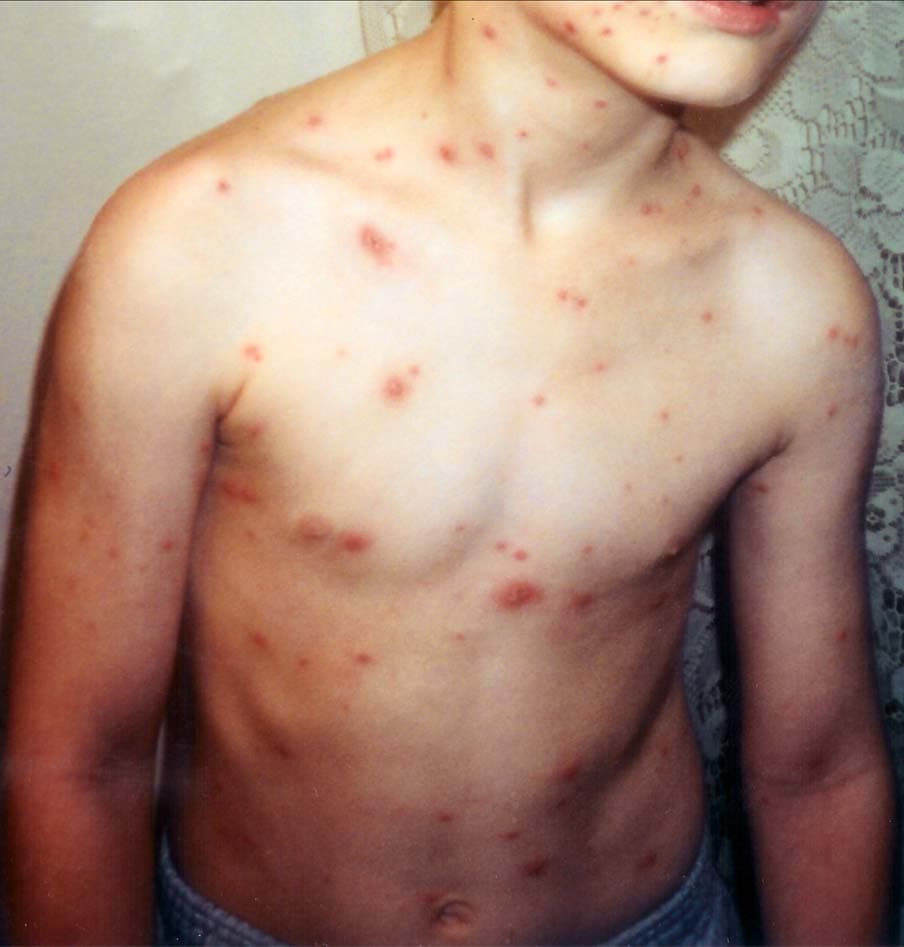
Chickenpox feels like a childhood rite of passage, a week of itching and then immunity for life. A new global analysis shows how sharply that experience now depends on where a child is born, and on whether a country has put the vaccine into its routine schedule.
For most adults over forty, chickenpox is a memory: the fever, the calamine lotion, the days off school. It was so common that many countries treated it as unavoidable. That assumption is quietly coming apart. A safe vaccine against varicella, the virus that causes chickenpox, has existed since the 1990s, and where it has been folded into the routine childhood schedule, the disease has become rare. A new analysis puts numbers to that shift on a global scale, and to the uneven map it has left behind.
The study focused on one age group: children between five and nine years old, the years when chickenpox has historically spread most freely through schools. Using data compiled through the Global Burden of Disease framework, an international effort that estimates illness across countries and years, the researchers reconstructed how common varicella was in this age band from region to region. They then set those estimates against indicators of national vaccination policy, essentially asking whether countries that had adopted routine varicella immunization looked different from those that had not. Finally, they projected the trends forward to 2030. This is not a trial and not a study of individual children. It is a population-level modeling exercise, one that stitches together surveillance data, published studies and statistical estimation to describe patterns that no single country's records could show on their own.
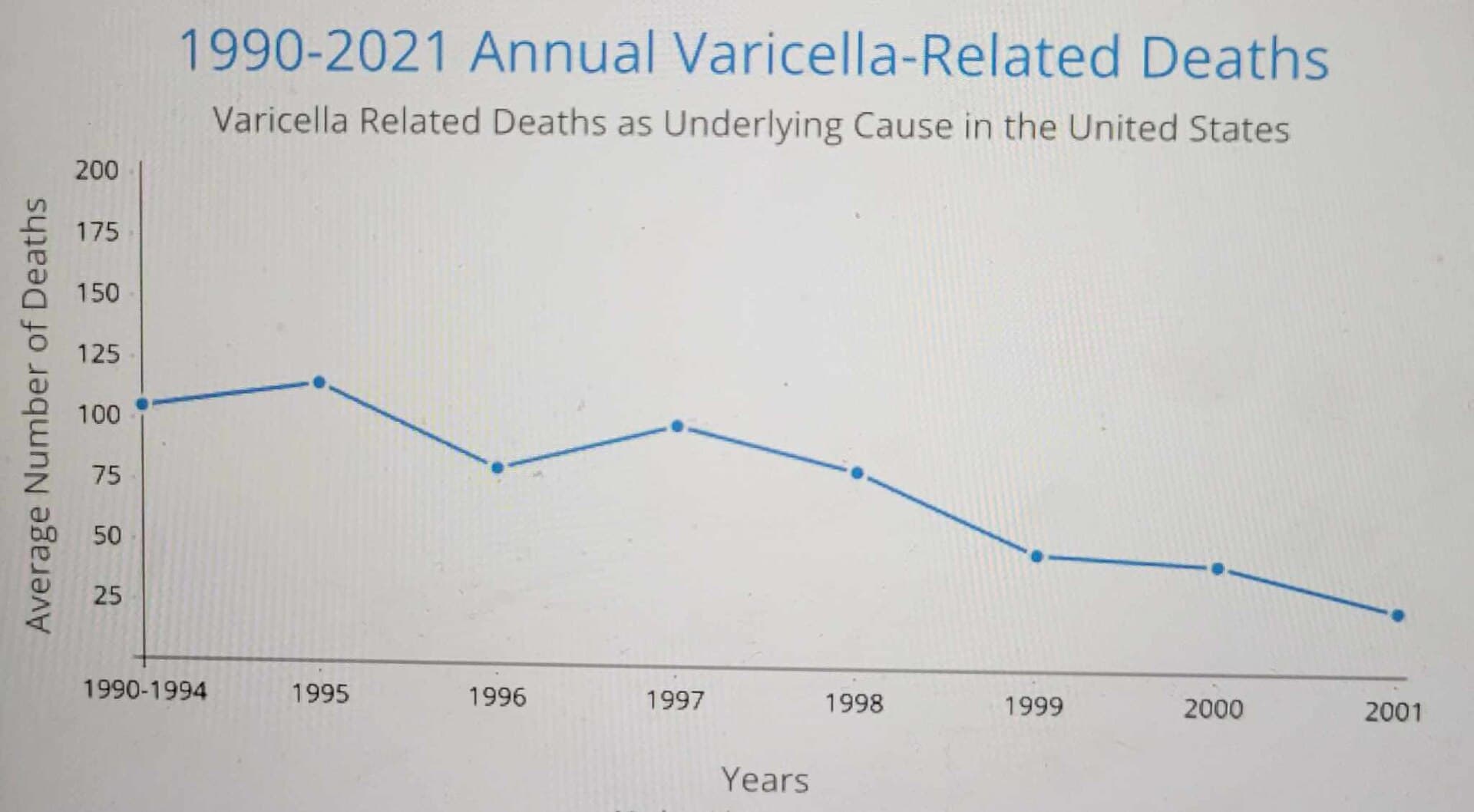
The pattern was consistent with what vaccination science would predict, and it was stark. In places where varicella vaccine sits in the routine childhood schedule, the burden of disease in five to nine year olds was substantially lower than in places without such a policy. Where routine vaccination was absent, chickenpox remained a common feature of childhood, much as it was everywhere a generation ago. The projections to 2030 suggested that this divide is unlikely to close on its own. Countries already vaccinating are expected to keep their low numbers; those that are not could continue to see large numbers of cases year after year. The headline message is less about a single global trajectory than about divergence: two very different childhoods, separated largely by a policy decision made in a health ministry.
Chickenpox is usually mild, which is part of why many health systems were slow to vaccinate against it. But mild on average is not the same as harmless. A minority of cases lead to bacterial skin infections, pneumonia, or, rarely, inflammation of the brain, and the virus never fully leaves the body. It retreats into nerve tissue and can re-emerge decades later as shingles, a painful condition of older age. Weighing these harms against the cost and logistics of another routine shot is exactly the kind of judgment that vaccination policy exists to make, and different countries have reached different answers. What this analysis adds is a clearer view of the consequences of those answers, measured in millions of childhood cases that either happen or do not.
Because the study compares countries as they are rather than assigning them to policies at random, it describes an association between vaccination policy and disease burden, not a clean proof of cause. Nations that adopt varicella vaccination also tend to have stronger health systems, better surveillance and higher overall vaccine coverage, and any of these could contribute to lower recorded burden. The estimates themselves inherit the limits of the underlying data, which is sparser in some regions than others, so the precise figures should be read as informed approximations rather than exact counts. And the biology of vaccination is well enough understood that the direction of the finding is not in doubt, even if the exact magnitude is.
For families, the practical takeaway is modest and familiar: whether a child is routinely offered the chickenpox vaccine still depends heavily on national policy, and that policy varies widely between neighboring countries. Parents with questions about what is recommended where they live, or whether a vaccine given elsewhere counts, are best served by a conversation with a pediatrician or public health service. For the people who write immunization schedules, the study is a reminder that a disease dismissed as trivial carries a measurable, and preventable, load. The tools to shrink that load already exist. The remaining question is one of decision, not discovery.
Sources
- Global burden of varicella in children aged 5-9 y, relationship with vaccination policy indicators, and projected trends to 2030.Global varicella burden study authors et al. · 2026 · Human Vaccines & ImmunotherapeuticsDOI 10.1080/21645515.2026.2726107PMID 42683535