Anthocyanins and Heart Health: What the Evidence Now Shows
By ELESSAR
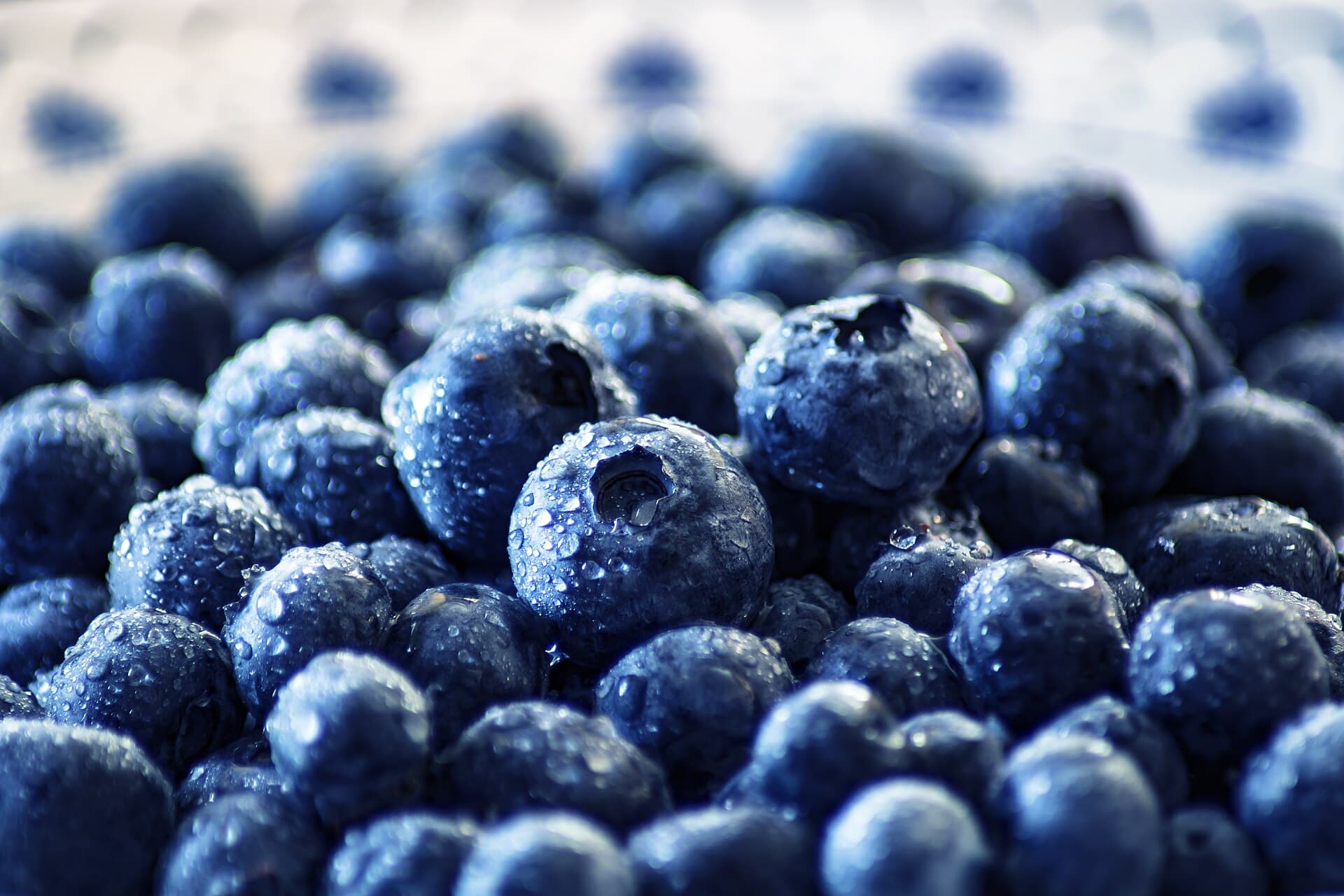

Anthocyanins and Heart Health: What the Evidence Now Shows
The pigments that make blueberries blue and blackcurrants dark have long carried a health halo. A careful new synthesis pulls together decades of research to ask what they actually do for the heart, and finds small but real benefits.
Ask people to name a healthy food and berries usually feature high on the list. Much of that reputation rests on anthocyanins, the water-soluble pigments that turn blueberries deep blue, blackcurrants near black and red cabbage violet. They belong to a broader family of plant compounds called flavonoids, and for years laboratory work has suggested they might relax blood vessels, calm inflammation and nudge cholesterol in a favourable direction. The harder question is whether any of that translates into measurable benefit for people. A new review set out to answer it by gathering the human evidence in one place.
The researchers combined two kinds of study that are usually kept apart. The first were randomised trials, in which volunteers were given anthocyanin-rich foods or extracts, or a comparison, and their cardiometabolic markers measured afterwards. The second were prospective cohort studies, which follow large groups of people over years and record what they habitually eat, then track how their health unfolds. Importantly, the review focused on healthy participants rather than people already being treated for heart disease or diabetes, which makes the findings relevant to prevention rather than therapy.
Pulling the numbers together, higher anthocyanin intake lined up with several small improvements. Blood pressure tended to be a little lower, as did LDL cholesterol, the fraction most strongly tied to clogged arteries. Markers of inflammation moved in a favourable direction too. None of these shifts was dramatic. Think of the difference a modest change in diet makes over time rather than the effect of a medication. But the direction was consistent, and consistency across different study designs is part of what gives a finding weight.
This fits comfortably with what was already suspected. Diets rich in colourful fruits and vegetables have long been associated with better heart health, and anthocyanins are one plausible reason among many. The compounds appear to support the thin inner lining of blood vessels and to interfere with the oxidation of LDL, a step thought to be important in the build-up of arterial plaque. What the review adds is a clearer sense of scale: the benefits linked to these pigments are genuine but small, the kind that accumulate quietly rather than announce themselves.
Several things the review does not show are worth stating plainly. It does not prove that anthocyanins alone prevent heart attacks or extend life, because no single review of markers can do that. The observational half of the evidence can only establish association, not cause, since people who eat more berries also tend to differ in dozens of other ways, from overall diet quality to income and activity. And a compound bundled inside a whole food is not the same as a purified extract in a capsule; the trials used both, and the review cannot tell us that supplements would carry the food's benefits.
The limitations run deeper than that. Trials of this kind are often short, lasting weeks rather than years, so they capture changes in blood pressure or cholesterol but not in actual disease. Habitual intake in the cohort studies rested on people reporting what they ate, which is imperfect. And the studies varied widely in the doses, the foods and the populations involved, a spread that statisticians call heterogeneity and that makes any single pooled figure a rough average rather than a precise estimate.
For anyone thinking about their own plate, the sensible reading is undramatic and reassuring. Berries, dark grapes, red cabbage, aubergine skin and similar deeply coloured produce appear to be a worthwhile part of a heart-friendly pattern of eating, and this review strengthens that case a little. It does not turn them into medicine, and it offers no reason to reach for concentrated anthocyanin pills, whose long-term effects remain untested. The pigments that make these foods vivid seem to do the body a quiet favour, best enjoyed as part of a varied diet rather than isolated in a supplement.
Sources
- Dietary intakes of anthocyanins and cardiometabolic health: a systematic review and meta-analysis of randomized trials and prospective cohort studies in healthy participants.et al. · 2026 · The American Journal of Clinical NutritionDOI 10.1016/j.ajcnut.2026.101304PMID 42547104